
How many porta potties does a marathon need?
Start with the OSHA baseline and scale up. OSHA 1926.51(c)(1) sets construction ratios at 1 toilet per 20 workers, and race organizers in Independence use that same math as a starting point, then add units at chokepoints like the start corral and finish chute where lines form fast. A 5K with 300 runners might need 10 units at the finish and 2 at the start. A half marathon with 1,500 runners spread over a longer course needs units staged every 2 to 3 miles, not just clustered at the ends. Check our how many porta potties do I need guide for the full breakdown by event size.
Every race needs at least one accessible unit under ADA Standards section 213.2, which requires 5 percent of clustered units to be accessible with a minimum of one. That unit needs a 60 inch turning circle per ADA 304.3.1 and a 32 inch door opening, so place it on stable, level ground per ADA 302.1, not gravel or turf that shifts. Pair standard units with an ADA accessible porta potty at every major cluster, not just the start line. For races with VIP tents or sponsor areas, a deluxe flushable porta potty upgrade handles higher expectations without adding much cost. Races expecting large crowds sometimes bring in a full restroom trailer rental for staff and elite runners near the finish.
Where should restrooms go on a race course?
Restrooms belong wherever runners wait, not where they run. Start lines need capacity for the whole field arriving at once, often 30 to 60 minutes before the gun. Finish lines need capacity for finishers and spectators lingering for hours afterward. Aid stations at mile markers need one or two units each if the course loops back near roads. Our porta potty placement guide covers ground clearance and how far units need to sit from tents, timing equipment and vendor booths.
Delivery trucks need about 60 feet of straight clearance behind the unit to place it without dragging equipment across grass or gravel, so scout access roads before race day. If the course runs near event power for timing clocks or PA systems, ask about how to brace a temporary power pole so wind and foot traffic don't knock cables loose mid-race; a temporary power pole needs guy-wire bracing or a stabilized base when it's set on open ground near a course. Pair that with a light tower rental for early morning starts before sunrise. If the finish line area needs crowd management, a crowd control barrier rental keeps spectators off the course while restrooms stay accessible to runners. Races with vendor tents or expos often add temporary fence rental around staging areas too.
Should I rent a restroom trailer instead of porta potties?
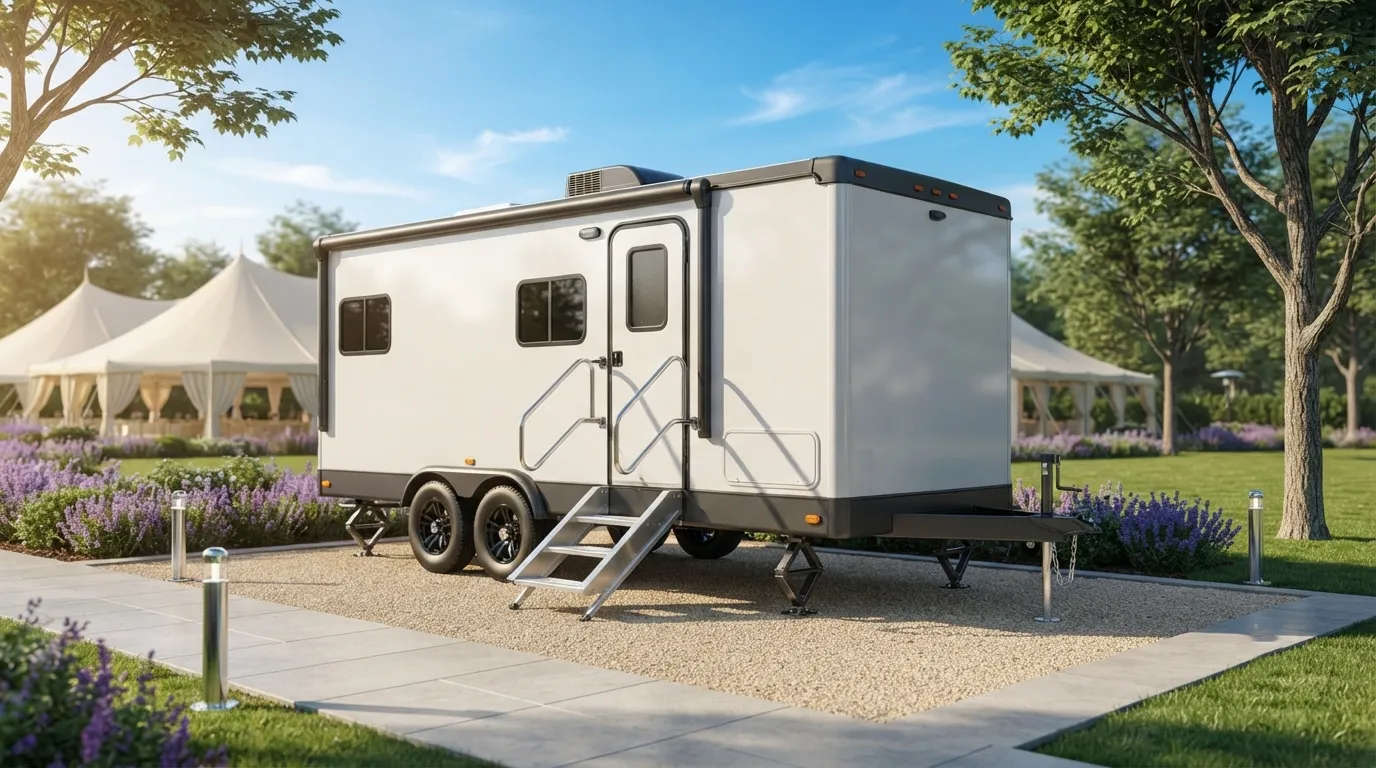
For races over 1,000 runners, or ones with a finish-line festival, a restroom trailer often makes more sense than a wall of standard units. A 4 stall restroom trailer handles heavier finish-line traffic without the long lines a row of single units creates, and it gives runners a place to wash hands with soap and running water, which satisfies 29 CFR 1910.141(d)(2) far better than a sanitizer station alone. Trailers rent by the day, weekend or full event package, and pricing depends heavily on stall count and rental length, so compare the restroom trailer rental cost page before committing.
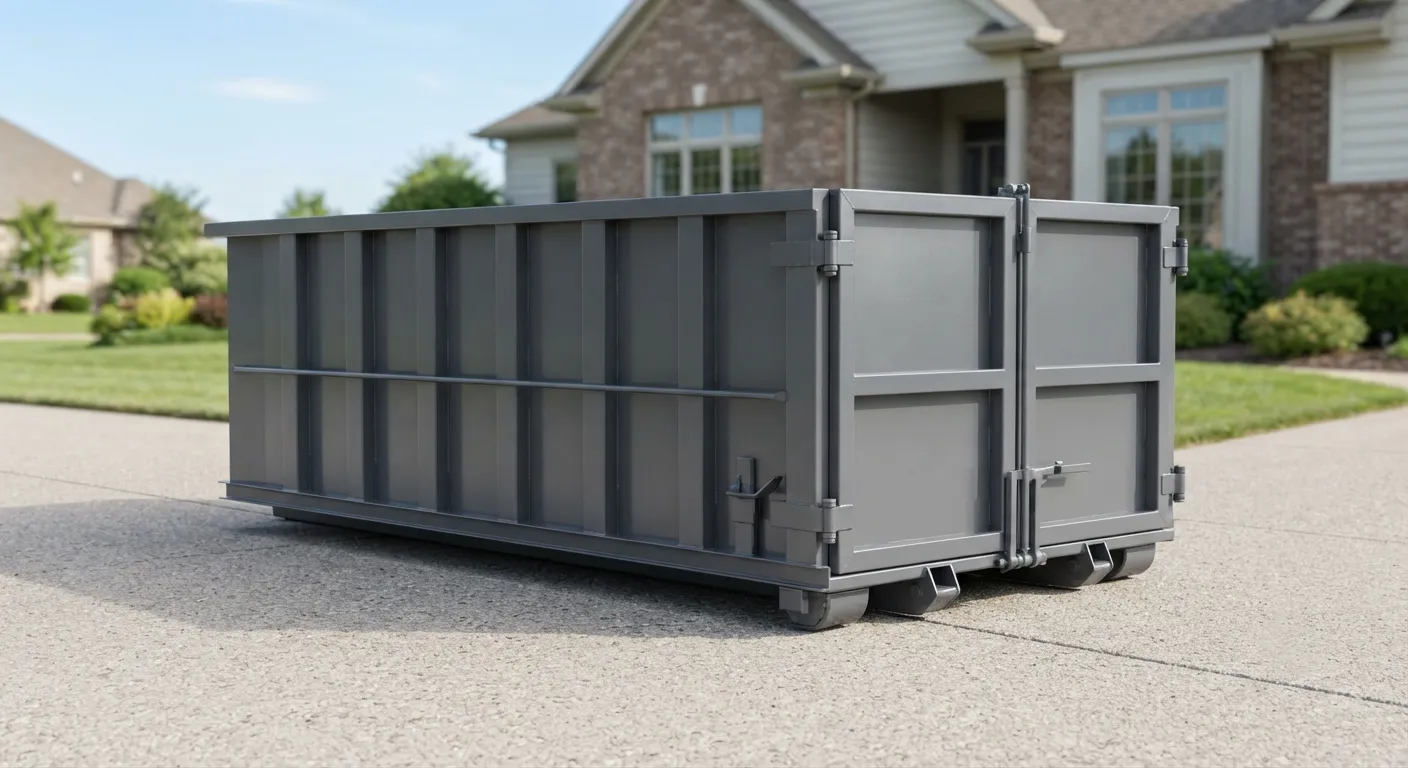
Smaller races on tighter budgets usually stick with standard porta potty rental units and a couple of ADA-compliant additions. Whichever direction the event goes, Independence Porta Pros builds the layout around your course map, not a generic head count. Races near Blue Springs, roughly 9.4 miles southeast of Independence, and Grain Valley, about 12.1 miles southeast, sometimes share course logistics with Independence events, so mention any multi-city routing when requesting a quote. For events that also need trash removal after the finish festival, a roll-off dumpster rental staged near the vendor area keeps cleanup fast. Full event pages live under event restroom rental if your race is part of a larger festival weekend.
How far in advance should I book race restrooms?
Book 4 to 6 weeks out for races over 500 runners, since trailers and ADA units book fastest. Smaller 5Ks can often book 2 weeks out. Confirm your final headcount a week before delivery so the unit count matches actual registration numbers, not early estimates.
Do I need a permit to place restrooms on a public street or park?
Placement in the public right of way or a city park needs confirming with Independence before race day. We do not know your specific route's permit requirements, so check with the city and see our porta potty permit requirements page for what to ask.
What size unit works best at a finish line?
A finish line handles volume better with either several standard porta potty rental units grouped together or a multi-stall trailer. A standard unit measures about 44 by 48 inches on the ground and stands roughly 92 inches tall, so plan cluster spacing accordingly.
Can I rent handwashing stations separately from restrooms?
Yes. A handwashing station rental or portable sink rental can sit near food vendors or medical tents independent of restroom placement. This matters most near aid stations handing out food or gels.
How much does a race weekend restroom package cost?
Standard units run $125 to $400 for a weekend rental depending on count and add-ons like hand sanitizer stations. Request a firm quote through request a quote once your runner count and course map are finalized.
Next step
Get a delivery date
Tell us the address, the dates and the headcount. We size the order and confirm the route.