
How fast can you deliver during an emergency?
Speed depends on what is already loaded and where you are. Independence sits close enough to our staging area that most emergency drops happen the same day the call comes in, and we treat storm response differently from a routine porta potty rental in Independence booking. A roll-off delivery needs about 60 feet of straight clearance behind the truck, so if a driveway is blocked by debris or a downed limb, tell us before the truck rolls. That single detail saves an hour on a bad day.
For flooding or wind damage, we often run standard portable toilets alongside handwashing stations and a temporary power pole if the site has no grid power at all. If your crew or shelter population is large, check how many porta potties you actually need before you order, because underestimating mid-disaster means a second emergency call. We can also stage light towers for overnight cleanup work, and a temporary fence around a damaged structure keeps people out of a collapse zone until inspectors clear it.
What sanitation do disaster sites actually need?
Most disaster sites need three things at once: toilets, clean water for hands, and a way to keep debris crews from getting sick. OSHA 1926.51(c)(1) sets the baseline ratio for construction-type cleanup crews: one toilet facility for 20 workers or fewer, then one toilet seat and one urinal per 40 workers as headcount climbs past that. OSHA 1926.51(a)(1) requires an adequate supply of potable water at any place of employment, which matters when the municipal supply is compromised or under a boil order. If cleanup involves any application of coatings, herbicides or insecticides on damaged structures, OSHA 1926.51(f)(1) requires washing facilities for that specific work, not general handwashing.
We pair standard units with portable sinks rather than hand sanitizer alone, since 29 CFR 1910.141(d)(2) calls for soap and towels or a drying device, and sanitizer does not satisfy that. For shelters or command posts needing an accessible unit, ADA Standards 213.2 requires at least one accessible unit in any cluster of single-user toilets, and our ADA accessible porta potty units meet the 36 inch clear route called for in ADA Standards 403.5.1. If the disaster involves flooding near septic systems, a compromised tank can back up fast, and emergency septic service or a holding tank rental can bridge the gap until a proper septic pumping is possible.
Where does disaster relief sanitation get placed on site?
Placement depends on ground conditions, access, and where people actually gather. A standard unit sits about 44 by 48 inches on the ground and stands roughly 92 inches tall, so it fits on a gravel pad, a parking lot corner, or a grass shoulder near a shelter entrance. Our porta potty placement guide covers the ground rules we use on every disaster call in Independence, and the same logic applies whether the site is a church shelter, a National Guard staging area, or a residential block full of downed trees.
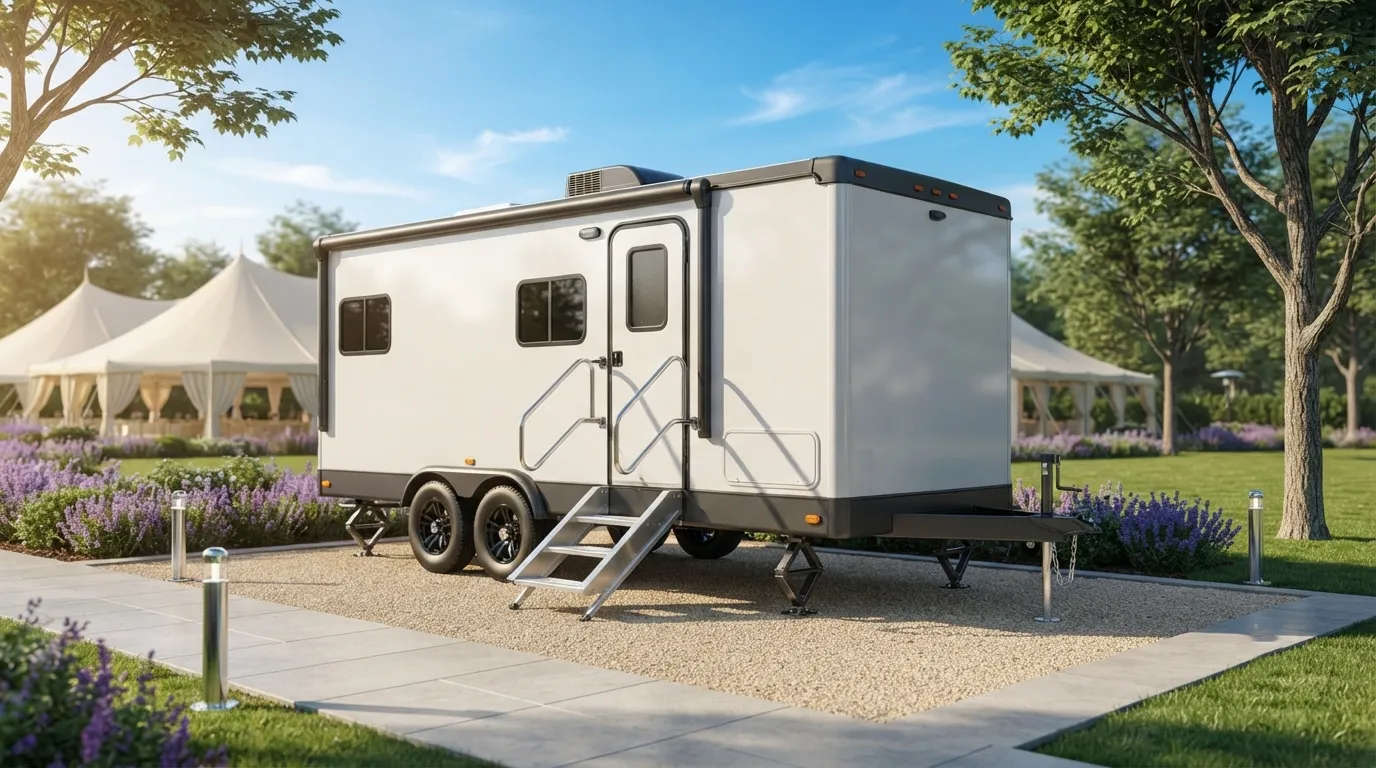
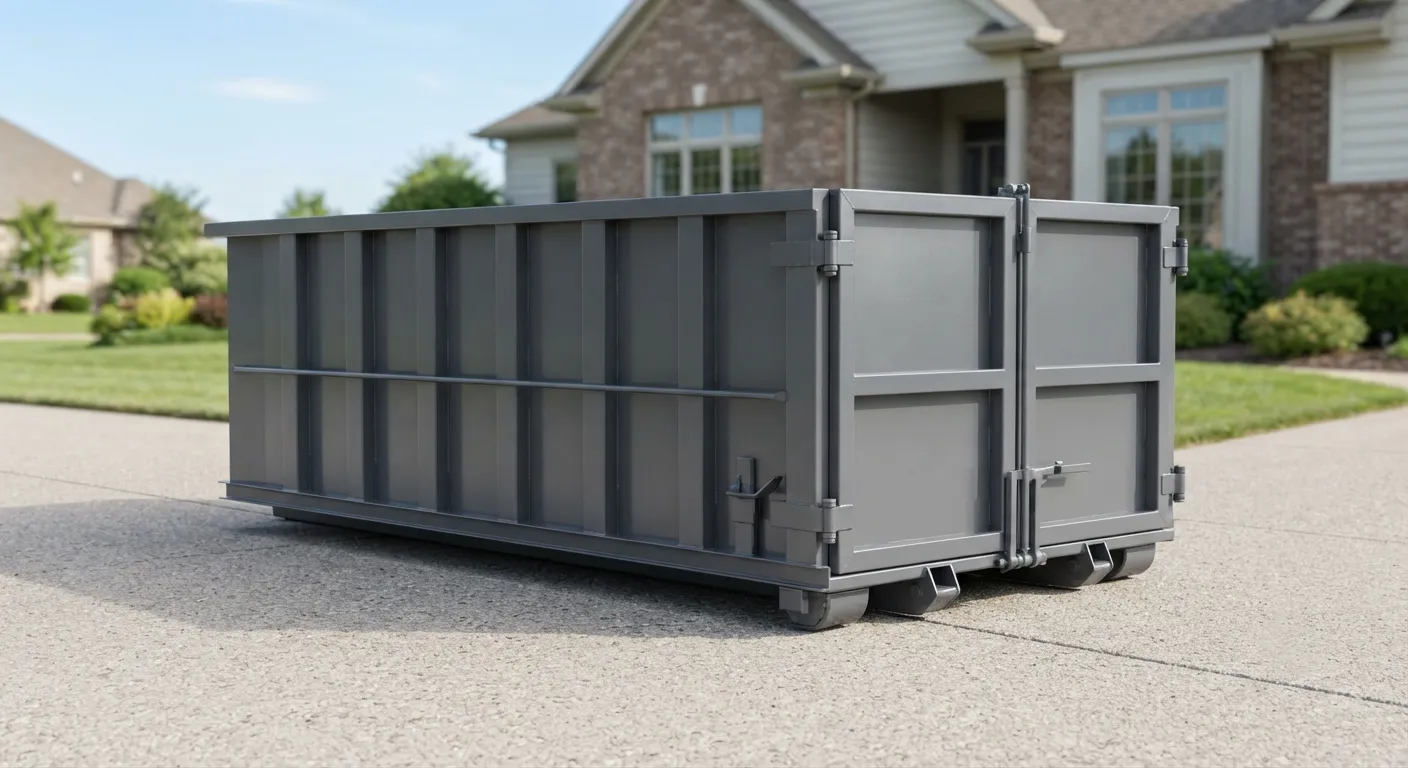
If the right of way is the only flat ground available, that placement needs confirming with the city before the truck arrives; we are not going to guess at a rule we have not checked. For multi-day operations, a restroom trailer or 4 stall restroom trailer gives displaced families more privacy than a bank of standard units, and a storage container can hold donated supplies or equipment on the same footprint. Crews working debris removal often need a construction dumpster staged nearby too, since OSHA 1926.25 requires scrap and debris cleared from work areas, and a dumpster on site keeps that housekeeping rule realistic instead of theoretical.
How much does emergency portable toilet rental cost during a disaster?
Standard units run $100 to $350 a day depending on order size and how fast delivery needs to happen; weekly rentals run $130 to $500. Emergency delivery fees can run higher than routine scheduling because of after-hours dispatch. Full pricing detail is on our porta potty rental cost page.
Do you serve areas outside Independence during a disaster?
Yes. We have delivered into Blue Springs, 9.4 miles southeast, and Blue Springs and Grain Valley, 12.1 miles southeast, during regional storm response. Check service areas for the full list of towns we reach.
Can you set up sanitation without electricity or running water on site?
Yes, that is most of what disaster response looks like. Standard units need no hookup, and our handwashing stations run on their own reservoir. A temporary power pole can support lighting or a trailer if power is out for days.
How many toilets does a shelter or relief site need?
It depends on population and how long people stay, following OSHA 1926.51(c)(1) ratios as a floor. Use how many porta potties do I need for a quick estimate, then call so we can confirm against your actual headcount.
What if the disaster damages a septic system?
Flooding can overwhelm a tank fast, especially one already due for service. Ask about emergency septic service or a holding tank rental while the system is assessed and pumped.
Next step
Get a delivery date
Tell us the address, the dates and the headcount. We size the order and confirm the route.